Relocating within the Bay Area can feel like choosing between two good options with very different day-to-day rhythms. If you are deciding between Fremont and San Jose, the right answer usually comes down to how you want to live, commute, and shop for housing, not just which city name looks better on paper. This guide will help you compare housing, transit, job access, and lifestyle so you can make a more confident move. Let’s dive in.
Fremont vs. San Jose at a Glance
Fremont and San Jose are both expensive Bay Area markets, but they differ a lot in size and housing mix. Fremont had an estimated population of 228,192 in 2024, while San Jose was much larger at 997,368. That scale alone can shape how each city feels when you live there.
Housing patterns also look different. Fremont has a stronger owner-occupied profile, with 60.8% of homes owner-occupied, compared with 55.8% in San Jose. Median home value is higher in Fremont at about $1.4038 million, while San Jose sits at about $1.2332 million.
Rental costs follow a similar pattern. Fremont’s median gross rent is $2,933, compared with $2,669 in San Jose. If you are renting first before buying, that difference may matter as much as the purchase price.
Housing Options and Home Types
Fremont housing leans more detached
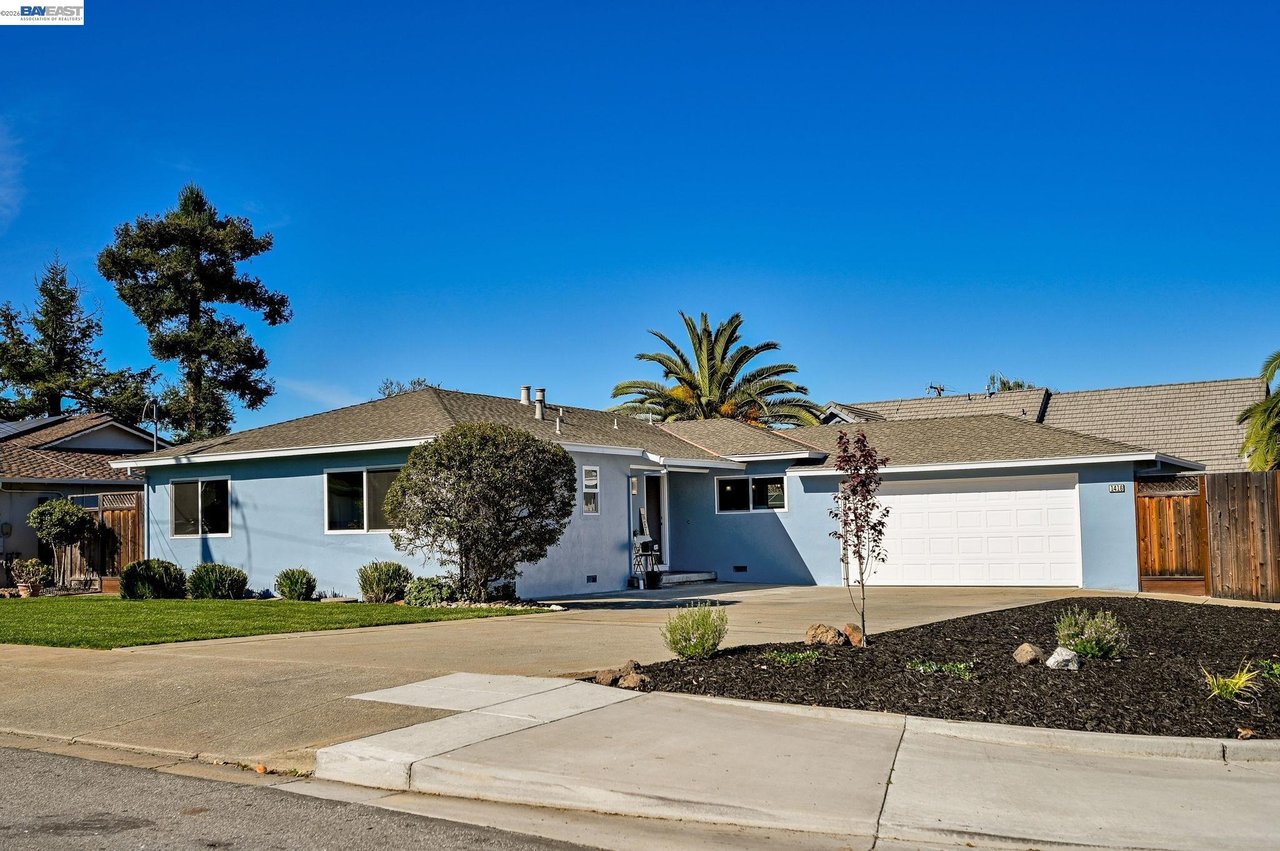
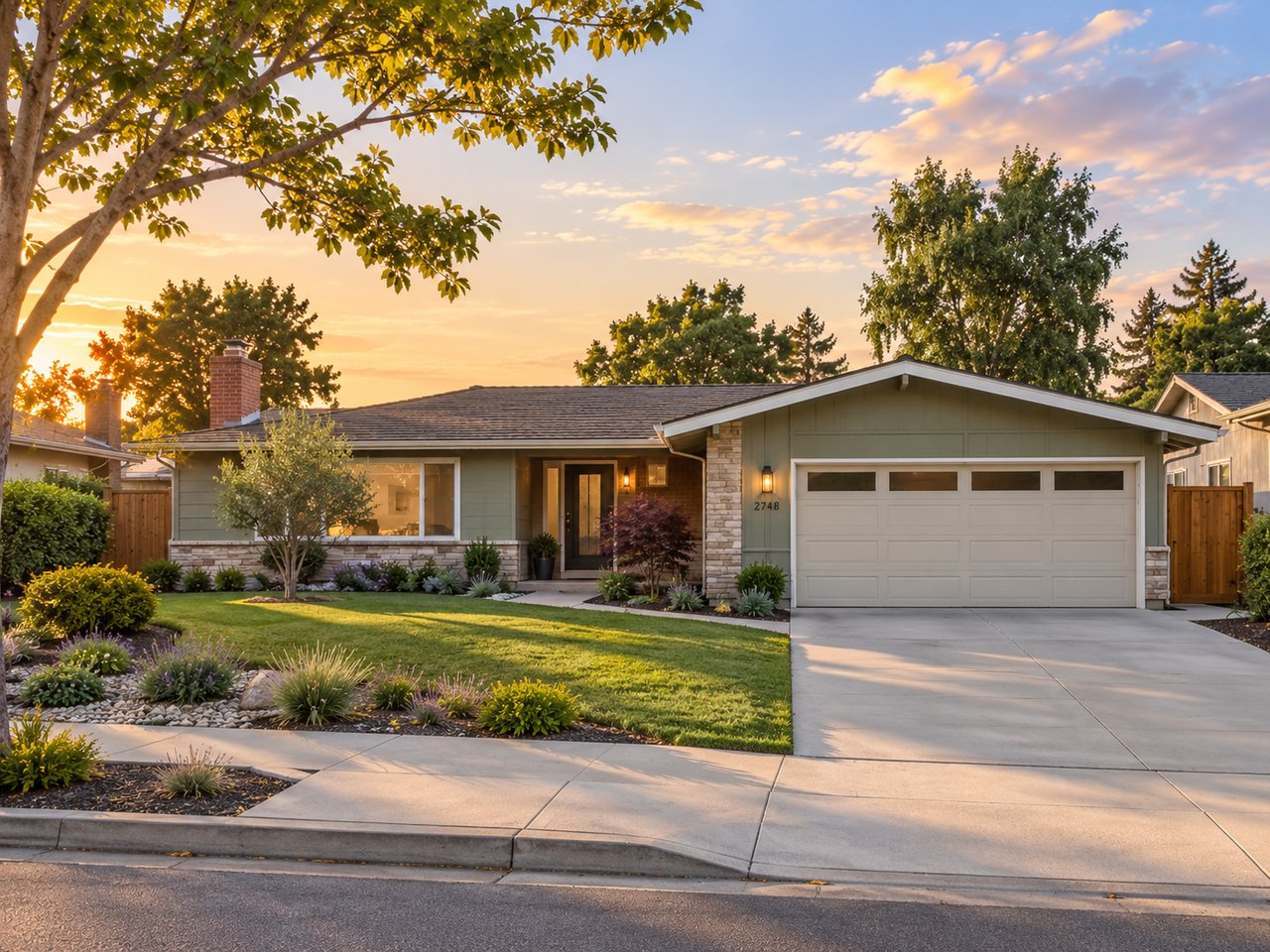
If you picture a detached home with more of a suburban feel, Fremont may line up better with your search. In a 2020 housing-stock snapshot, about 71% of Fremont’s homes were single-family units, across roughly 77,300 homes. In practical terms, Fremont tends to offer a stronger tilt toward detached, owner-occupied housing.
That does not mean every Fremont option is the same. You can still find a range of homes, but the overall mix points more clearly toward traditional single-family living. For many relocating buyers, that can mean a more focused search if detached housing is your priority.
San Jose offers more variety
San Jose gives you a broader menu of housing types. Its 2023 housing stock included 51% detached single-family, 11% attached single-family, 6% in 2-to-4-unit properties, 28% in 5-plus-unit buildings, and 3% mobile homes. That wider spread can be helpful if you want flexibility in budget, maintenance, or location.
For example, if you are open to a condo, townhome, or apartment near a major job center or transit stop, San Jose may give you more choices. That can be especially useful for first-time buyers and relocation clients who want to balance commute and price point.
Commute and Transit Access
Fremont works well for East Bay connections
Fremont has BART stations at Fremont and Warm Springs/South Fremont. According to BART, the Warm Springs Extension added 5.4 miles of track from Fremont Station to Warm Springs/South Fremont, which sits in Fremont’s Warm Springs Innovation District. The city also highlights access to I-680, I-880, ACE, and Amtrak Capitol Corridor.
If your work or routine connects you to East Bay routes, those options can be a major plus. Fremont’s transportation setup may feel especially practical if you want a mix of highway access and rail connections without being in a much larger city.
San Jose has a larger transit network
San Jose’s commute options are broader and more layered. The city highlights VTA, BART, and Caltrain park-and-ride choices, and Diridon Station is planned as a major hub for Caltrain, BART Silicon Valley, High-Speed Rail, Amtrak, Capitol Corridor, ACE, and local and regional buses. BART currently serves Berryessa/North San Jose, with a planned Phase II subway extension to downtown San Jose and Diridon.
That does not mean every San Jose address is equally transit-friendly. Still, if you want access to multiple transit systems and a wider range of commute patterns, San Jose often has the edge.
Average commute times only tell part of the story
Citywide mean travel times are 30.3 minutes in Fremont and 27.3 minutes in San Jose. Those numbers are useful, but they should not make the decision for you. Your actual experience will depend much more on the exact office location, your preferred route, and whether you plan to drive, take rail, or combine both.
This is one of the biggest mistakes relocation buyers make. They compare city averages instead of mapping the real trip from a target neighborhood to a real destination.
Job Corridors and Daily Convenience
Fremont aligns well with manufacturing and hardware corridors
Fremont positions itself around advanced manufacturing and hardware. City sources say Fremont has more than 900 advanced manufacturing companies, about one in four jobs in manufacturing, and more than 1,200 high-tech, life-science, and clean-tech firms. If your work ties into those sectors, living nearby may simplify your week.
That can also shape the local feel. Fremont often appeals to buyers who want proximity to those job centers while keeping a more suburban housing pattern.
San Jose centers on technology and innovation
San Jose describes itself as a major center for technology and innovation. Its General Plan supports a wide variety of living and working environments, continued downtown development, and urban villages. If your work is centered in South Bay and Silicon Valley, San Jose may place you closer to the action on a daily basis.
This can be especially important if you expect in-office days to increase or if your role requires flexibility for meetings across several South Bay job nodes. In those cases, location can affect your lifestyle as much as your commute.
Lifestyle and City Feel
Fremont offers a more suburban setup
Fremont may feel like the better fit if you want a city with a more suburban housing pattern and a slightly simpler framework for your home search. The city highlights 1,224 acres of parkland, 500 eateries, more than 3,600 small businesses, five historical districts, and more than 98 languages spoken in Fremont homes. That points to a city with both space and variety.
For many relocating households, Fremont feels more straightforward when the goal is a detached home, strong transit and freeway access, and a day-to-day rhythm tied to East Bay or Fremont-area employment.
San Jose offers more urban variety
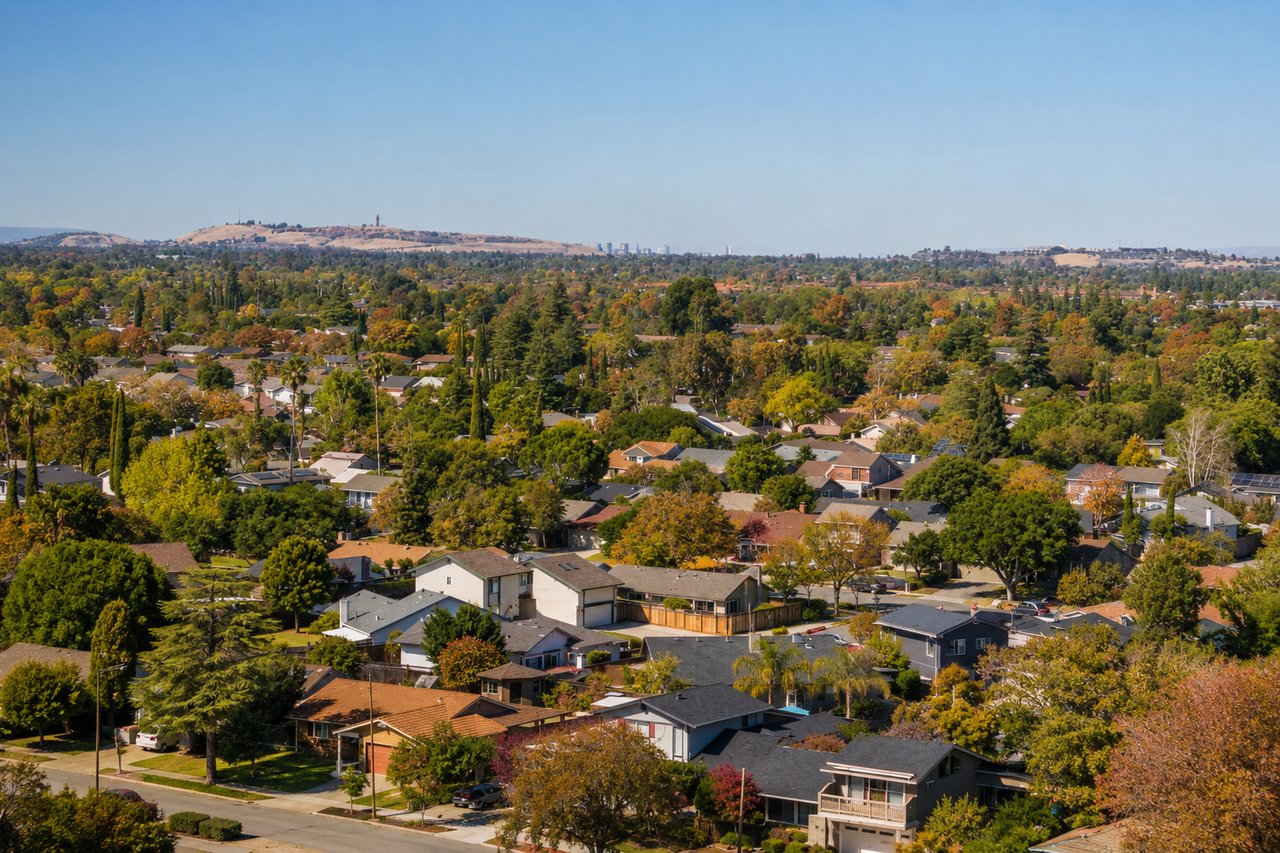
San Jose is much larger, and that scale creates more lifestyle variety. The city’s parks and recreation system serves residents across more than 200 locations, and its planning framework supports both downtown growth and urban villages. If you want more housing formats, more transit nodes, and more neighborhood-to-neighborhood variation, San Jose may give you more ways to tailor your move.
That variety can be a strength, but it also means your search needs to be more precise. Two areas of San Jose can offer very different living experiences, even within the same city.
School District Questions to Check Early
For families, one practical difference stands out right away. Fremont schools are managed by Fremont Unified School District. In San Jose, many school districts serve the city, so the school-district question usually requires neighborhood-level boundary checks.
This is less about ranking and more about planning. If school assignment matters to your move, Fremont may feel simpler to evaluate at a city level, while San Jose usually requires more property-by-property review.
How to Choose the Right City for Your Move
If you are torn between the two, start with your daily life instead of broad city comparisons. The best decision often becomes clearer when you compare a specific job site, a preferred transit stop, and your target housing type.
A simple framework can help:
- Choose Fremont if you want a stronger detached-home mix, a more suburban setup, direct BART and highway access, and easier alignment with East Bay or Fremont-area manufacturing corridors.
- Choose San Jose if you want more housing variety, more transit nodes, and closer day-to-day access to South Bay and Silicon Valley job centers.
- Pause and compare both if your priorities are split between commute flexibility, budget, and home style.
A Smart Relocation Strategy
When you relocate, the goal is not just finding a home. It is finding a home that works with your schedule, budget, and long-term plans. That is why broad averages only go so far.
A stronger approach is to narrow your search to a few target neighborhoods, then compare actual commute routes, housing stock, and district boundaries before you make a move. With a data-driven plan, you can avoid decision fatigue and focus on the tradeoffs that matter most.
If you are weighing Fremont versus San Jose, the right guidance can save you time and help you compete more strategically. The team at Neena Pattar helps Bay Area relocation buyers compare city fit, housing options, and next steps with clear, hands-on advice.
FAQs
Which city has more single-family homes, Fremont or San Jose?
- Fremont has a stronger single-family housing mix, with about 71% single-family units in its 2020 housing-stock snapshot, while San Jose has a broader mix that includes more condos, apartments, and attached housing.
Which city is larger, Fremont or San Jose?
- San Jose is much larger, with an estimated 2024 population of 997,368 compared with Fremont’s 228,192.
Which city may work better for a South Bay commute, Fremont or San Jose?
- San Jose often makes sense for closer day-to-day access to South Bay and Silicon Valley job centers, while Fremont may align better with East Bay routes or Fremont-area employment.
Which city has more transit options for Bay Area relocation buyers?
- San Jose offers a larger transit network through VTA, BART, Caltrain, and the Diridon hub, while Fremont offers strong access through BART, I-680, I-880, ACE, and Amtrak Capitol Corridor.
Which city is simpler to evaluate for school districts, Fremont or San Jose?
- Fremont may be simpler at a city level because Fremont Unified School District manages schools there, while San Jose is served by multiple districts and usually requires neighborhood-level boundary checks.
Is Fremont or San Jose more expensive for housing?
- Based on the research provided, Fremont has a higher median home value at about $1.4038 million and a higher median gross rent at $2,933, compared with San Jose at about $1.2332 million and $2,669.