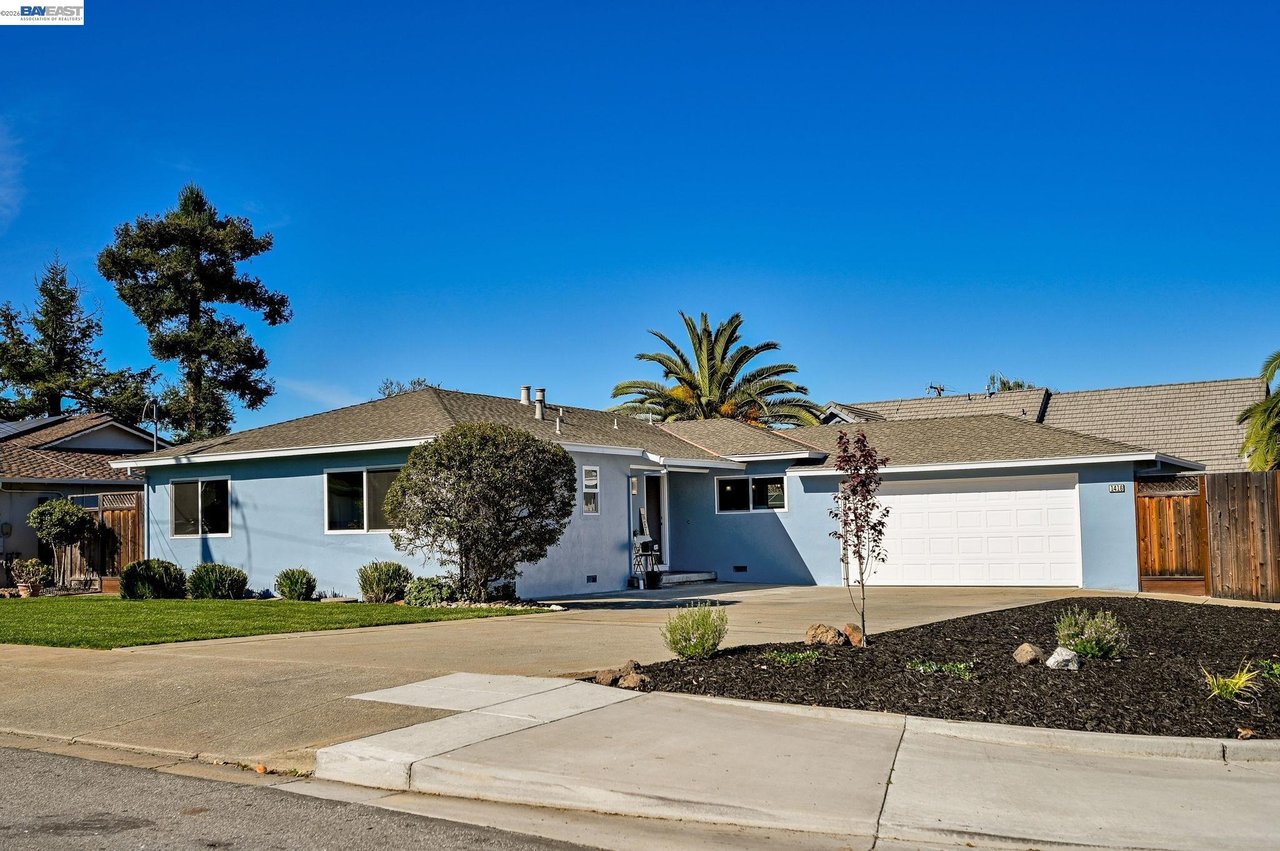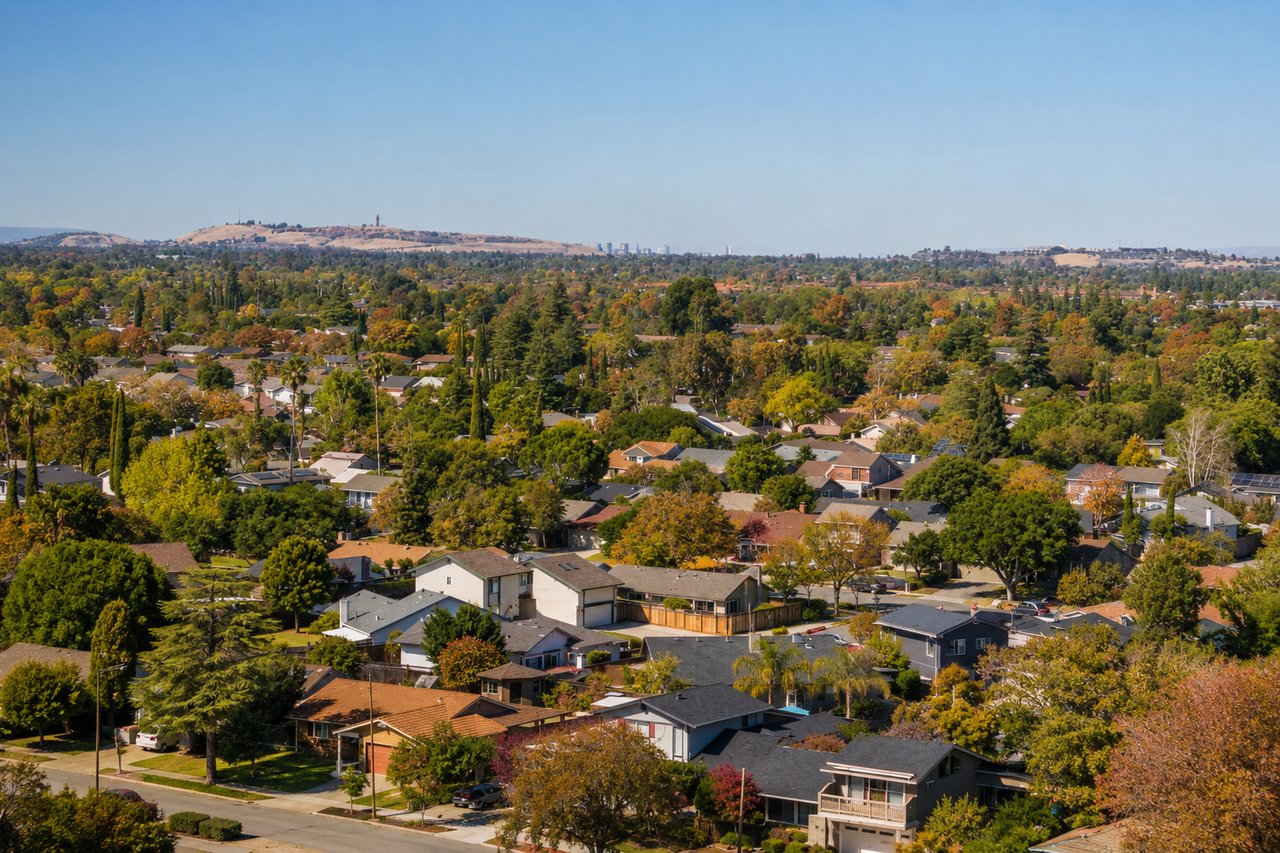
If you have looked at San Jose home prices lately, you already know the challenge: finding a home with upside in a market where every decision feels expensive. The good news is that older homes can offer real value-add potential when you know how to separate cosmetic opportunity from costly surprises. In this guide, you’ll learn how to spot promising older San Jose homes, which improvements tend to matter most, and what due diligence can help you buy with more confidence. Let’s dive in.
Why older San Jose homes stand out
San Jose is still a high-price, fast-moving market. Zillow reports an average home value of about $1.45 million and says homes go pending in around 12 days, while Redfin reports a median sale price around $1.5 million. The exact figures differ because they measure different things, but both point to the same reality: even modest improvements can have an impact.
Older housing is also a major part of San Jose’s inventory. A current city housing element table lists 111,694 owner-occupied units built from 1950 to 1979. That matters because many buyers are drawn to this era of Bay Area housing, where you may find established floor plans, larger lots, and homes with room for thoughtful updates.
What value-add really means
In practical terms, the best value-add homes are often not the most dramatic fixer-uppers. They are usually homes with good bones, usable outdoor space, and layouts that can be improved without starting over from scratch. That can mean better flow, more storage, refreshed finishes, or targeted updates that improve how the home lives day to day.
In San Jose, value-add is often about balancing opportunity with complexity. A home that needs paint, flooring, countertops, and fixture updates is very different from a home with drainage issues, foundation movement, or major system upgrades ahead. The goal is to find a property where your budget improves function and presentation, not just one that disappears into hidden repair work.
Start with cosmetic upside
For many buyers, cosmetic renovation is the cleanest path to adding value. San Jose lists several surface-level improvements as permit-exempt, including cabinet refacing or replacement, countertop replacement, floor finishes, painting, sheetrock and taping joints, and tile work when there is no structural change. That makes these projects a smart starting point when you want to improve a home without stepping into a more complex permit process.
Cosmetic work can also make a home feel dramatically more current. Fresh paint, updated flooring, cleaner finishes, and a more polished kitchen or bath often improve day-to-day livability right away. In a market like San Jose, where prices are already high, that kind of efficient improvement can matter.
Updates buyers tend to notice
According to the 2025 Remodeling Impact Report, REALTORS most often recommended painting the entire home, painting one room, and replacing the roof before listing. The same report says buyer demand has been strongest for kitchen upgrades, new roofing, and bathroom renovations over the last two years.
That does not mean every project delivers the same return. The report shows a wide range in cost recovery, from 50% for a bathroom renovation to 100% for a new steel front door, with both minor kitchen upgrades and complete kitchen renovations shown at 60%. The bigger takeaway is that buyers often respond to functionality and livability first, followed by durable materials and then aesthetics.
Focus on function over customization
That priority matters in older San Jose homes. Instead of over-improving with highly personal design choices, it often makes more sense to focus on layout efficiency, storage, flow, and durable finishes. A more usable kitchen, better lighting, improved bathroom function, and cohesive finishes can go further than trend-heavy upgrades that may not age well.
If you are buying with future resale in mind, this is where discipline helps. A home does not need to become fully custom to become more valuable. It often just needs to work better and show better.
Look beyond finishes to the home’s core systems
An older home can look manageable on the surface and still carry major capital needs underneath. That is why the inspection process matters so much. A general home inspection is best treated as a triage tool that describes the current status of the home and highlights potential concerns.
Fannie Mae says a general inspection typically reviews floors, foundation, roof, walls and ceiling, windows, electrical, HVAC, structural components, attic and insulation, interior plumbing, and basement conditions when applicable. For an older San Jose home, that gives you a useful first picture of whether you are looking at cosmetic wear or a much larger scope of work.
Red flags that can change your budget fast
When you read an inspection report, pay close attention to issues that can turn a light renovation into a heavy one. These often include:
- Foundation movement
- Poor drainage
- Water intrusion
- Roof leaks
- Uneven floors
- Aging electrical systems
- Aging plumbing systems
These are the kinds of items that can reshape both your renovation budget and your timeline. They do not always mean you should walk away, but they usually mean you should slow down and understand the real scope before moving forward.
What a general inspection does not tell you
It is just as important to know what a standard inspection does not cover. Fannie Mae says general inspections do not determine pests or termites, asbestos, lead, mold, code compliance, life expectancy, or repair costs. They also do not certify the home as safe.
If those questions matter for a particular property, you may need specialist input. That is especially true with older homes, where hidden conditions can affect both renovation planning and total ownership cost.
Understand permits before you plan upgrades
One of the clearest San Jose value-add advantages is knowing which projects are simple and which ones trigger a more formal process. The city states that structural changes and most electrical, plumbing, and mechanical work generally require permits. The city also notes that permits help maintain property value and that unpermitted work must be disclosed when selling.
That matters for two reasons. First, permit requirements can shape your renovation timeline and budget. Second, if you are buying a home with past work already completed, you will want to understand whether that work was properly permitted, especially when it affects layout, systems, or structure.
Low-scope versus high-scope projects
Here is a simple way to think about it:
| Project type | Typical example | Permit complexity |
|---|---|---|
| Cosmetic | Paint, flooring, countertops, cabinet refacing | Usually lower if no structural change |
| Functional interior upgrades | Moving walls, major kitchen rework, system changes | Often higher |
| Major expansion | Addition, ADU, JADU | Highest complexity |
This is why many successful value-add plans start with lower-scope improvements first. They can improve the home’s look and use without immediately opening the door to larger construction variables.
ADUs can be a bigger value-add play
If you are looking at long-term upside, an accessory dwelling unit may be worth exploring. San Jose allows ADUs and JADUs on qualifying residentially zoned properties. The city notes that ADUs can create income opportunity for homeowners, while JADUs must be under 500 square feet and within the footprint of a single-family home.
This is not a cosmetic project, and it is not right for every property. But when lot size, zoning, and budget line up, it can be one of the more meaningful ways to add utility and value to an older home. It is especially worth evaluating early, before you commit to a renovation plan that uses space in a way that limits future options.
Watch for historic and design constraints
Some older San Jose homes come with another layer of review: preservation rules. If a property is a City Landmark or located within a City Landmark District, exterior work may require a Historic Preservation Permit. If a single-family home is listed on the Historic Resources Inventory, the city says projects should follow the Your Old House guide for preserving San Jose homes.
This does not mean you cannot improve the property. It means exterior changes may need to be more thoughtful, especially around window proportions, trim, porch details, and addition massing. If a home has historic relevance, it is smart to study preserved examples before making design decisions that alter its character.
Older homes also bring lead and seismic issues
Age creates opportunity, but it also creates responsibility. EPA says renovation, repair, or painting work that disturbs paint in pre-1978 homes can create dangerous lead dust. Paid contractors doing that work must be certified and follow lead-safe work practices.
That is an important budgeting point for many older San Jose homes. A simple cosmetic refresh may not be as simple once lead-safe practices are part of the scope. If the home was built before 1978, treat that as a clear caution flag when planning any work that disturbs painted surfaces.
Seismic work can also be part of the value-add picture. San Jose says homes built before 1980 may qualify for state earthquake retrofit grants, and the California Earthquake Authority says older houses are more likely to slide off their foundations during an earthquake unless they are braced and bolted. In some cases, seismic improvements can strengthen the home while also making it more appealing to future buyers.
Hire the right professionals
In California, contractor due diligence is not optional. The California Attorney General says home improvement work valued at $500 or more must be done by a licensed contractor. CSLB also provides official license-check guidance and consumer information on home improvement contracts.
For buyers taking on an older home, this is one of the easiest ways to reduce risk. Before major work begins, verify licensing and make sure the contract scope is clear. In older homes, where surprises are more common, clarity upfront matters.
Set a realistic budget and timeline
This is where many buyers get tripped up. Remodeling reports and online examples can make renovation look more predictable than it really is. But the 2025 Remodeling Impact Report notes that its project assumptions were based on a 2,300-square-foot post-1978 home with no hidden issues, and 31% of consumers said their last remodel took more time than planned.
In an older San Jose home, hidden conditions are part of the equation. Permit review, historic review, lead-safe requirements, aging systems, and seismic work can all add time and cost. The most successful value-add plans usually include a buffer, both financially and emotionally.
How to identify a strong candidate
When you tour older homes in San Jose, try to look at them through two lenses at once. First, ask whether the house already has the basics you cannot easily create, such as a workable lot, solid overall layout, and appealing location within the city. Then ask whether the updates you want are mainly cosmetic and functional, or whether they involve major systems and structure.
A strong candidate often checks several of these boxes:
- Layout can improve without major structural change
- Lot offers flexibility for outdoor use or future options
- Cosmetic condition is dated but manageable
- Inspection concerns appear limited and understandable
- Exterior changes are feasible under city rules
- Budget leaves room for hidden older-home costs
The best opportunities are not always the cheapest homes or the most dramatic fixers. Often, they are the homes where a clear, disciplined improvement plan can unlock value without creating avoidable risk.
Why local strategy matters
In a fast San Jose market, buying value-add potential is not just about spotting a dated kitchen. It is about understanding permits, older-home risks, realistic renovation scope, and what future buyers are likely to value. That kind of analysis can help you avoid overpaying for the wrong project or overlooking a home with real upside.
At Neena Pattar Group, we bring a practical renovation mindset to older-home opportunities across San Jose and the South Bay. If you want help evaluating whether a home has true upside or hidden complexity, connect with Neena Pattar for strategic, hands-on guidance.
FAQs
What makes an older San Jose home a good value-add opportunity?
- A strong value-add opportunity usually has good bones, a usable lot, and a layout that can improve without major structural changes. Cosmetic and functional updates are often easier to manage than major repairs to foundation, roof, drainage, or core systems.
Which upgrades in older San Jose homes usually require permits?
- In San Jose, structural changes and most electrical, plumbing, and mechanical work generally require permits. Many cosmetic projects, such as painting, flooring, countertops, and certain cabinet work, may be exempt if there is no structural change.
Are pre-1978 San Jose homes riskier to renovate?
- They can require extra care because disturbing paint in pre-1978 homes may create dangerous lead dust. Paid contractors doing that work must be certified and follow lead-safe work practices.
Can an ADU add value to an older San Jose property?
- It can, depending on the property. San Jose allows ADUs and JADUs on qualifying residentially zoned properties, and the city notes they can create income opportunity for homeowners.
What should you focus on in an inspection for an older San Jose home?
- Focus on issues that can change the renovation scope, such as foundation movement, poor drainage, water intrusion, roof leaks, uneven floors, and aging electrical or plumbing systems. These items can affect both cost and timeline more than cosmetic wear.
Do historic rules affect renovations on older San Jose homes?
- Yes, they can. If a property is a City Landmark, in a City Landmark District, or listed on the Historic Resources Inventory, exterior changes may be subject to preservation rules or guidance from the city.