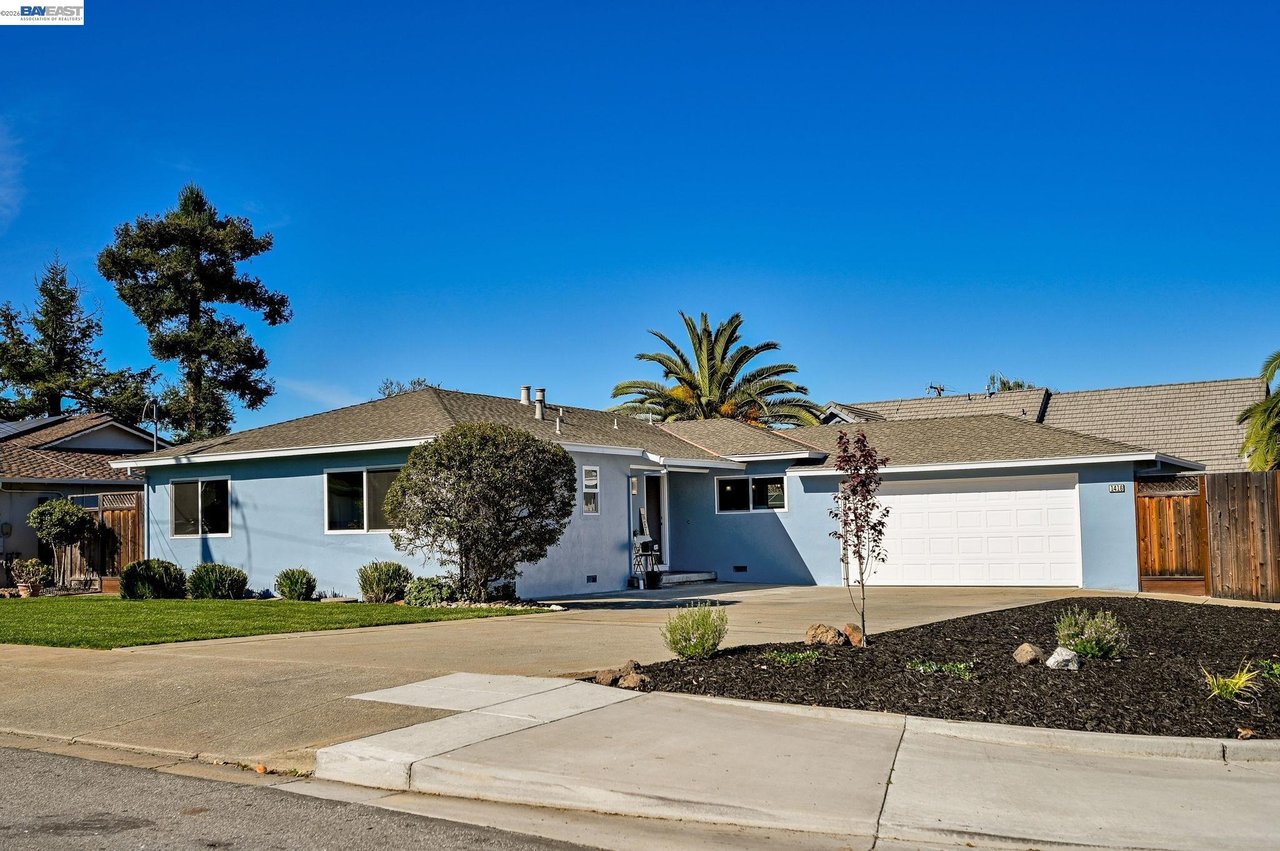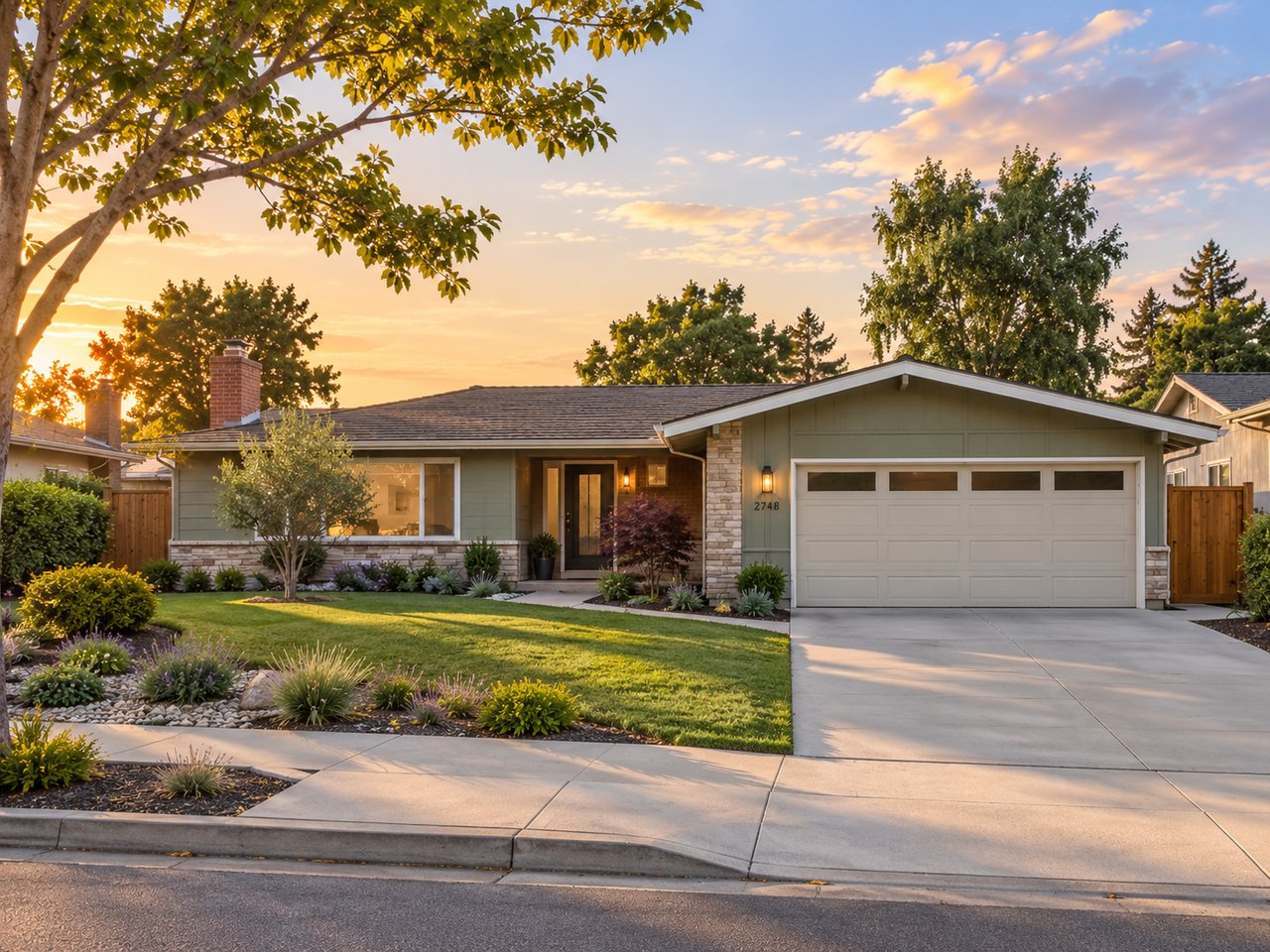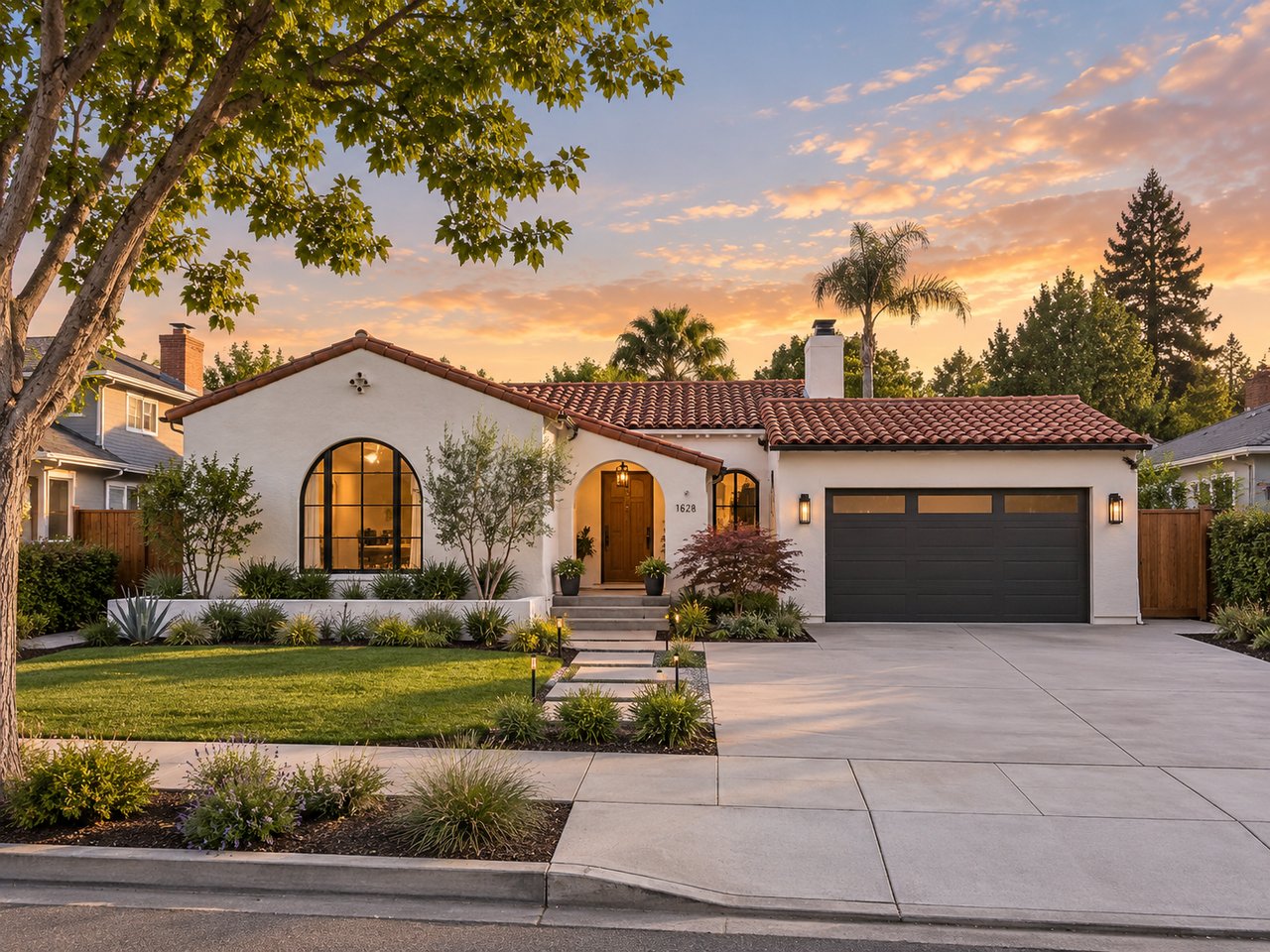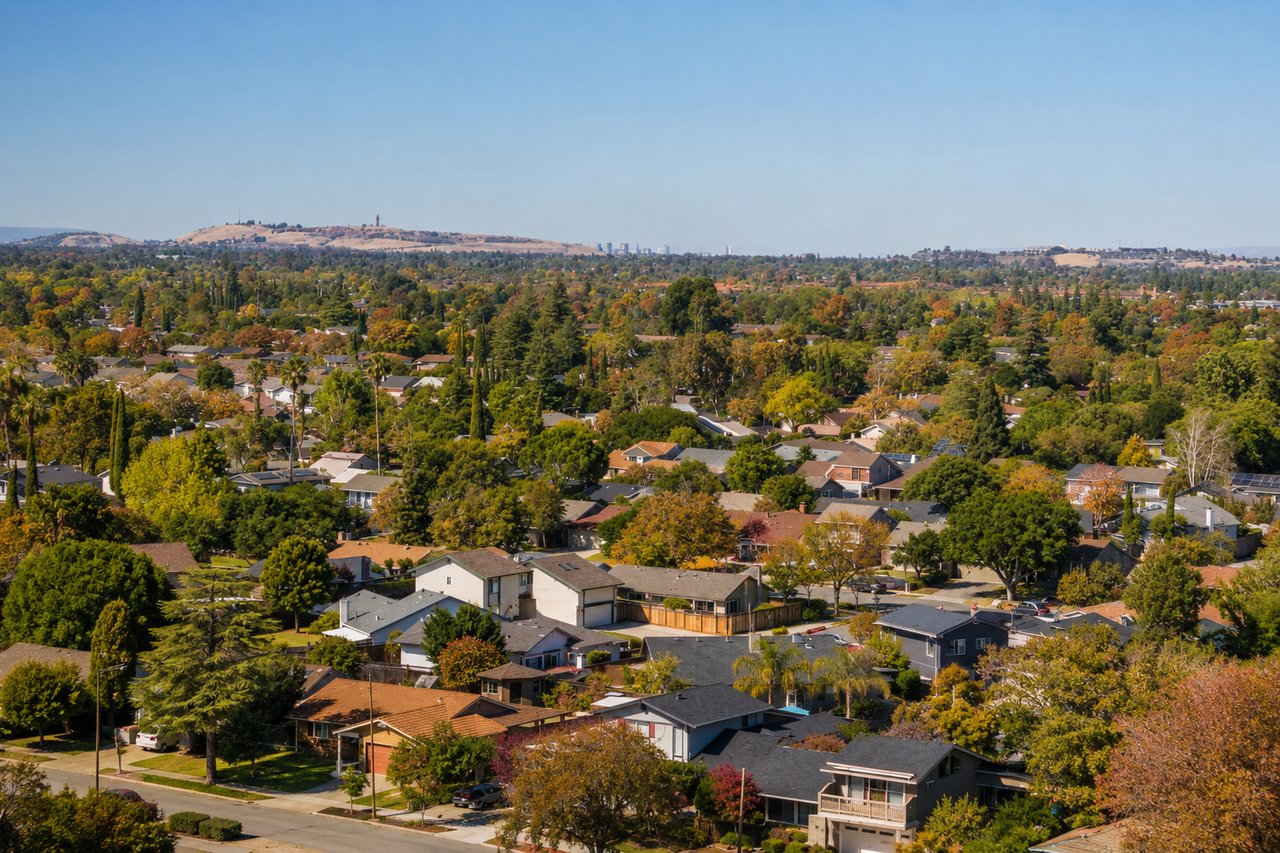
If you’re thinking about selling in San Jose, the market is still strong, but it is not the same market sellers enjoyed at the peak of the frenzy. Buyers are active, prices remain high, and well-positioned homes can still move fast, yet inventory is higher and shoppers are more selective. That means your results may depend less on luck and more on pricing, presentation, and negotiation strategy. Let’s dive in.
San Jose Is Still Competitive
San Jose remains one of the highest-priced markets in the region. Redfin’s March 2026 city data reported a median sale price of $1,489,000, up 0.6% year over year, with homes receiving an average of 3 offers and selling in about 10 days.
At the same time, Santa Clara County data shows the market has become more measured. For April 2026, San Jose single-family homes posted a $1.7 million median price, 16 average days on market, and 105% of list price received. Those numbers tell you buyers are still competing, but they are doing so with more care.
More Inventory Changes Seller Strategy
One of the biggest shifts for sellers is inventory. SCCAOR reported that from March to April 2026, San Jose single-family inventory rose 18.3%, while Realtor.com reported 944 active listings in April, up 17.6% year over year.
More inventory gives buyers more options. When buyers have more homes to compare, they can afford to slow down, skip listings that feel overpriced, and negotiate more firmly when a property sits.
This does not mean demand has disappeared. It means demand is more selective, and your home needs to stand out for the right reasons.
Pricing Matters More Than Ever
In today’s San Jose market, the first price matters a lot. Realtor.com reported that 14.2% of active listings had price reductions in April, and the city’s median list price was down 7.2% year over year.
That is a clear sign that sellers who aim too high may lose momentum. Buyers are watching the market closely, and when a home lingers for three to four weeks, it can create a stronger negotiation opportunity for them.
A smart pricing strategy should come from current, hyper-local comparable sales, not from the highest number a neighbor heard about last year. In a shifting market, wishful pricing can cost you time, attention, and leverage.
Expect A Range Of Outcomes
One reason market headlines can feel confusing is that different reports show different speeds. Redfin’s March snapshot showed about 10 days on market, while Realtor.com’s April report showed a 29-day median days on market.
Those numbers are not necessarily conflicting. They reflect different timeframes, property mixes, and data sources. The practical takeaway is simple: some homes are still selling very quickly, while others need more marketing time and more negotiation flexibility.
As a seller, it is wise to plan for roughly a month on market rather than expecting a weekend sale. If your home sells faster, great. If it takes a few weeks, that may still be well within the normal range for current conditions.
Presentation Now Carries More Weight
As inventory rises, buyers compare homes more carefully. They are less likely to overlook weak photos, deferred maintenance, or a launch that feels underwhelming.
That makes preparation especially important. Strong photography, thoughtful staging, and polished listing materials can help your home compete when buyers have more choices.
This is where a hands-on strategy can make a real difference. Sellers often benefit from clear advice on which updates matter, what to leave alone, and how to present the property in a way that supports the asking price.
Offers Still Happen, But Terms Matter Too
Even in a market with slightly more breathing room, strong homes can still attract attention. San Jose single-family homes averaged 105% of list price in April, which shows that buyers will still compete when a property is priced and presented well.
But the highest offer is not always the best offer. In a market where buyers have more time to think and negotiate, sellers should look closely at financing strength, contingencies, repair requests, and closing timelines.
A clean offer with solid terms may put you in a better position than a higher number that comes with added risk. This is where careful review and strong negotiation can protect your bottom line.
Single-Family And Condos Are Different
Not every part of the San Jose market is moving the same way. Santa Clara County’s April report shows a noticeable difference between single-family homes and condos or townhomes.
For San Jose single-family homes, the average days on market was 16 and the average sale-to-list ratio was 105%. For condos and townhomes, the average days on market was 34 and the average sale-to-list ratio was 101%.
If you are selling a condo or townhome, you may need to be more conservative on price and more prepared for concessions. If you are selling a single-family home, you may still have strong leverage, but only if your home enters the market in the right price band.
Citywide Headlines Only Tell Part Of The Story
Another key point for sellers is that citywide averages can only take you so far. Within the South Bay, nearby markets have shown different performance levels. In April, Santa Clara single-family homes averaged 108% of list price and Sunnyvale averaged 109%, compared with San Jose’s 105%.
That does not mean your San Jose home should be compared to homes in another city. It means micro-market conditions matter. Your pricing strategy should be based on your neighborhood, property type, condition, and buyer pool, not broad Bay Area headlines.
This matters even more because regional conditions are uneven. Redfin’s March metro report showed San Jose new listings rising 13.5% year over year, while Oakland’s median sale price fell 6.3% and closed sales fell 7.8%. For you as a seller, that is a reminder to stay local and strategic.
What Sellers Should Do Right Now
If you want to maximize your outcome in today’s San Jose market, focus on the factors you can control. The homes that tend to perform best are the ones that launch with a plan.
Here are the priorities that matter most:
- Price from current comps, not past peak expectations
- Prepare the home carefully so buyers see value right away
- Invest in presentation with strong visuals and polished marketing
- Plan for negotiation on both price and terms
- Use neighborhood-level data instead of relying on broad market averages
- Set realistic timing expectations so you can make thoughtful decisions
In other words, this market still rewards sellers, but it rewards disciplined sellers more than hopeful ones.
The Bottom Line For San Jose Sellers
Today’s San Jose market is not weak. It is simply more balanced than it was during the most extreme seller-driven stretch. Buyers are still there, prices are still high, and well-prepared listings can still command excellent results.
What has changed is the margin for error. Overpricing, underpreparing, or assuming the market will do all the work for you is riskier now than it was a few years ago.
If you are planning to sell, the best approach is a data-driven one: launch with accurate pricing, strong presentation, and a clear negotiation strategy tailored to your specific property and neighborhood. When you do that, you give yourself the best chance to stand out in a market where buyers have options.
If you’re thinking about selling in San Jose and want a strategy built around pricing, preparation, and negotiation, connect with Neena Pattar for a personalized plan.
FAQs
How long does it take to sell a home in San Jose right now?
- Current data shows a range. Redfin reported about 10 days on market in March 2026, while Realtor.com reported a 29-day median in April 2026. A reasonable expectation is that some homes sell quickly, while others may take three to four weeks.
Should San Jose sellers price high to leave room for negotiation?
- In the current market, overpricing can backfire. With 14.2% of active listings showing price reductions in April 2026, buyers appear more willing to wait and negotiate when a home feels overpriced.
Are San Jose homes still selling above asking price?
- Yes, many still are. Santa Clara County data showed San Jose single-family homes averaging 105% of list price in April 2026, which means well-priced homes can still attract strong offers.
Is the San Jose condo market different from the single-family market?
- Yes. In April 2026, San Jose condos and townhomes averaged 34 days on market and 101% of list price, while single-family homes averaged 16 days and 105% of list price. Condo sellers may need a more conservative pricing strategy.
What matters most for San Jose sellers in this market?
- The biggest factors are accurate pricing, strong presentation, and careful offer review. As inventory rises and buyers gain more options, those details can have a major impact on your final result.