Thinking about life in Fremont and wondering what your day might actually look like? You want easy access to trails, a strong mix of dining and groceries, and a commute that fits your routine. In this guide, you’ll see how Fremont’s parks, restaurants, retail corridors, and transportation options come together across Mission San José, Niles, Centerville, Irvington, and Warm Springs. By the end, you’ll know how to match your lifestyle with the right part of town. Let’s dive in.
Fremont at a glance
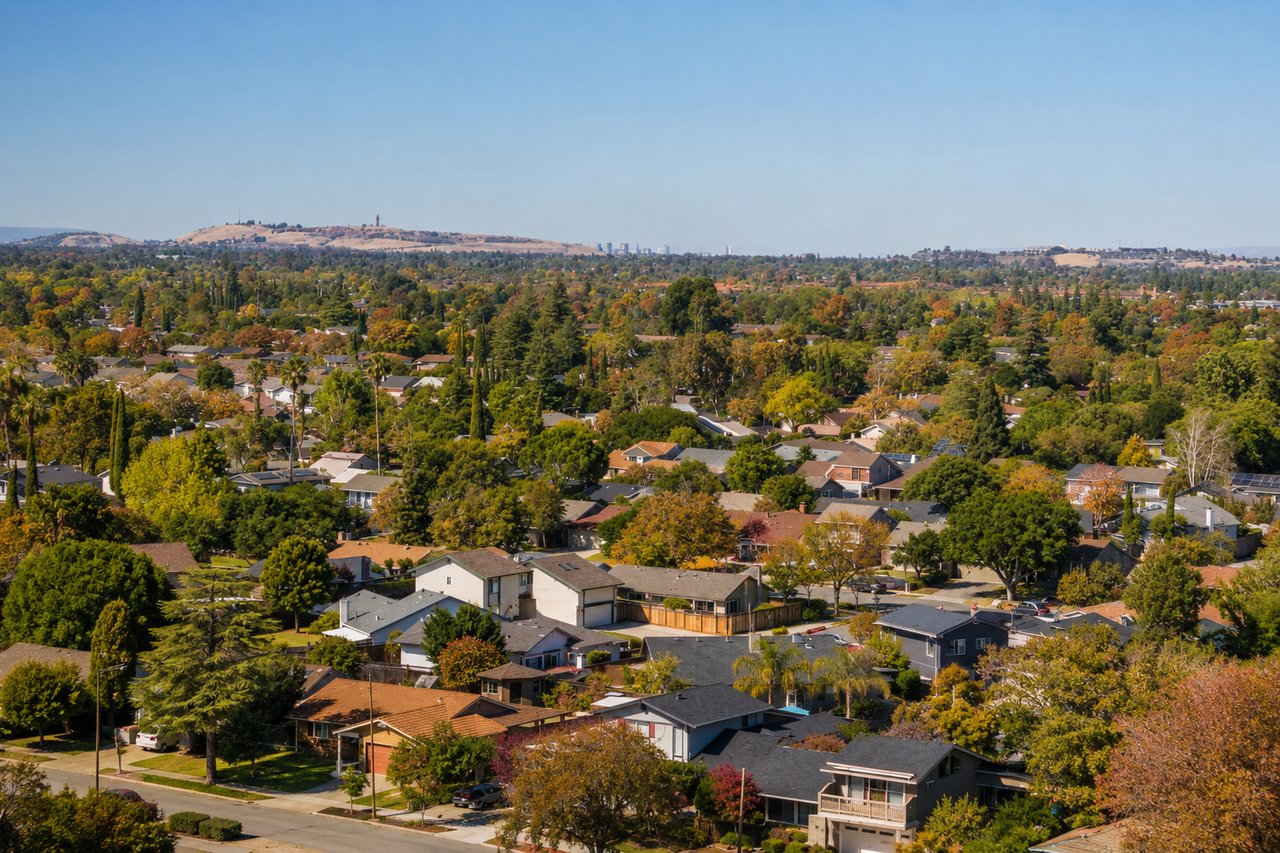
Fremont sits in the East Bay with about 230,504 residents, according to the 2020 Census. The city is known for its diversity and a household income level well above the U.S. average. It grew from several historic towns that now shape how you experience the city day to day. You can read more about the city’s background and layout on the Fremont overview.
Neighborhood anchors you will hear
- Mission San José: hillside backdrops and established residential pockets.
- Niles: historic main street feel with small shops and cafés.
- Centerville: long-time commercial corridors and dining variety.
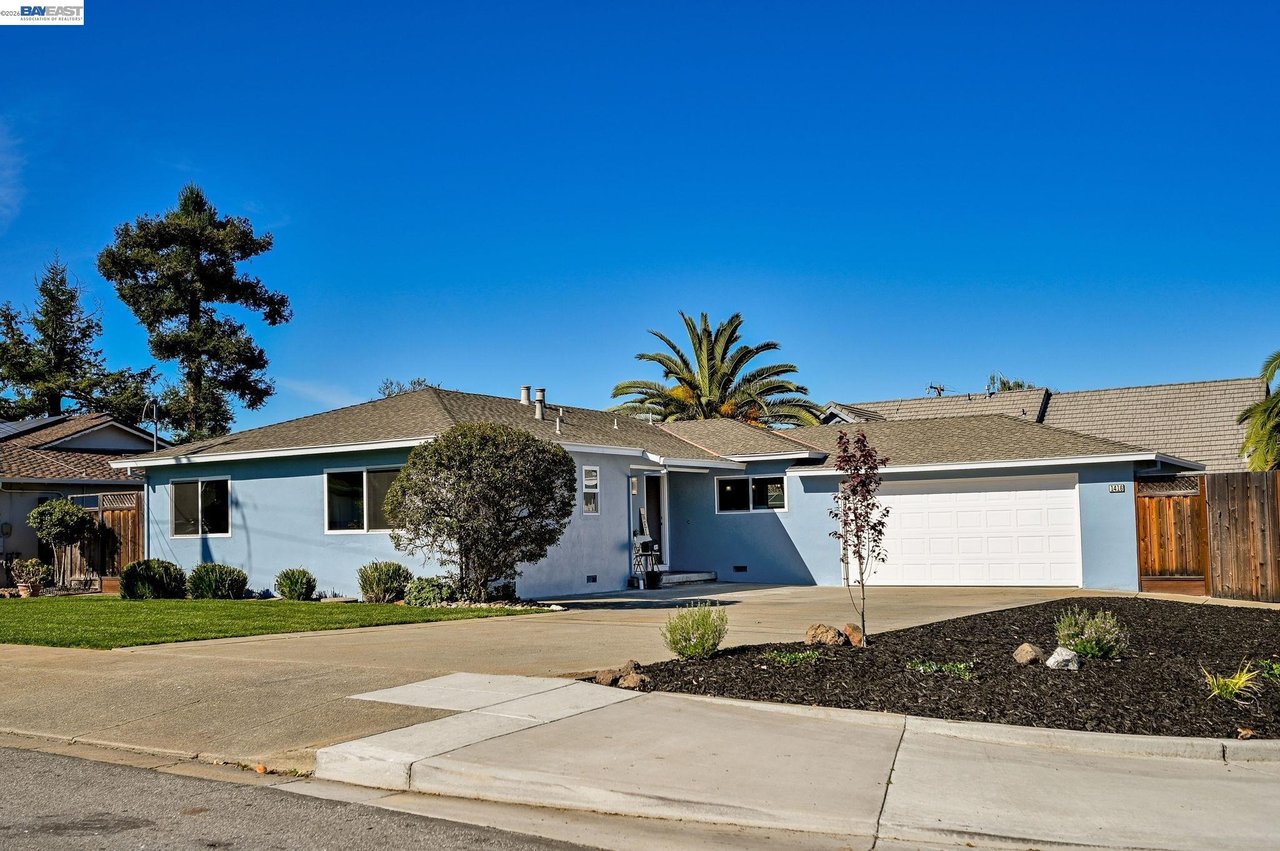
- Irvington: central neighborhoods with suburban convenience.
- Warm Springs: newer development and BART access on the south side.
Parks and trails you will use
Fremont makes it simple to spend time outside. You will find steep ridge hikes, flat Bay Trail segments, and lakeside paths all within short drives of most neighborhoods. Here are the everyday standouts.
Mission Peak Regional Preserve
Mission Peak is the local icon for sunrise and weekend summit hikes. The trails are steep with big views, and the preserve is among the busiest in the East Bay. Plan for early starts, especially on weekends, and review current notices before you go. Learn more from the park agency’s page for Mission Peak Regional Preserve.
Fremont Central Park and Lake Elizabeth
Central Park is Fremont’s everyday gathering spot with a lake, paths, playgrounds, and picnic areas. Many residents use it for morning walks, casual runs, and family meetups. For park details and programming, see the city’s Parks and Recreation overview.
Quarry Lakes Regional Recreation Area
Close to central neighborhoods, Quarry Lakes offers flat trails, fishing areas, and large picnic spaces. It is an easy, low-effort outdoor option when you want a simple walk or a family picnic. Check maps and current activities at Quarry Lakes Regional Recreation Area.
Don Edwards San Francisco Bay National Wildlife Refuge
If wide-open views and birdwatching appeal to you, the baylands deliver calm, flat trails and wildlife habitat at the edge of the city. It is a great pick for relaxed walks, photography, or a quiet bike ride. Learn more from the refuge’s site for the Don Edwards San Francisco Bay National Wildlife Refuge.
Ardenwood Historic Farm
Ardenwood pairs a working farm with seasonal events and demonstrations that are popular with families. It is a go-to weekend outing and a favorite for school-age visits. See current programs from Ardenwood Historic Farm.
Quick park tips
- Aim for weekday mornings or earlier weekend starts at the most popular spots.
- Central Park and Quarry Lakes are your easy, repeatable choices for daily walks.
- The baylands are flat and wind-exposed; bring layers for afternoon visits.
Dining, groceries, and errands
Fremont’s dining reflects its diversity, with many Chinese, Indian, Vietnamese, Filipino, and Korean restaurants across the city. You will also find national chains, local cafés, and specialty markets. Most everyday errands cluster in a few major retail corridors.
Pacific Commons (south and central Fremont)
Pacific Commons is the city’s large shopping and dining hub with big-box anchors, chain restaurants, and a rotating mix of sit-down options. Many residents plan errand runs and casual meals here because parking and selection are straightforward. The center often anchors retail news in Fremont, noted in city retail summaries like the Pacific Commons overview. Tenant lineups evolve over time, so hours and offerings can change as of March 2026.
Downtown Fremont and the Fremont Hub
Near the Fremont BART area, the Fremont Hub offers grocery anchors, casual dining, and services. It is convenient for quick errands if you live near central neighborhoods or along the BART corridor. See the current directory for the Fremont Hub.
Niles Historic District
Niles delivers a small-town main street with antiques, cafés, and character restaurants. It also hosts recurring events that draw weekend visitors, which adds to its neighborhood feel. If you prefer a walkable, compact strip with local flavor, this is where you will likely spend time.
Centerville and Afghan dining
Centerville and nearby corridors include a notable cluster of Afghan restaurants and specialty shops. It is a good example of how Fremont supports specific cultural dining scenes. If you like exploring new cuisines, you will have many options within a short drive.
Everyday grocery choices
You get both large-format grocers and specialty markets citywide. Pacific Commons and surrounding centers cover big weekly shops, while Korean and South Asian groceries serve specialty needs. City retail updates point to continued growth in these categories, which simplifies your routine across neighborhoods.
Commuting from Fremont
Many households rely on a mix of BART, driving, and employer shuttles. Your door-to-door time depends on where you live, your destination, and when you travel.
How long it takes on average
Fremont’s mean travel time to work is about 31.1 minutes, based on recent Census QuickFacts. That city-level average hides a lot of variation, but it is a useful baseline as you compare locations and modes. For the source figure, see Census QuickFacts for Fremont.
BART and regional transit
Two BART stations serve Fremont: Fremont Station and Warm Springs/South Fremont. If you commute to downtown Oakland or San Francisco, living within walking distance of a station can reduce variability and simplify your routine. AC Transit and VTA routes, plus some employer shuttles, fill in cross-town or intercity gaps, with the strongest coverage near BART and major streets.
Driving routes and the Dumbarton Bridge
I-880 and I-680 are the primary north-south freeways through Fremont. CA-84 and the Dumbarton Bridge provide an important east-west link to the Peninsula and Silicon Valley. For route context and history, see the summary of State Route 84 and the Dumbarton Bridge. Peak-hour congestion is common, so many drivers time departures around HOV windows or flex schedules.
Choose a neighborhood by commute
- If you rely on BART: Focus on homes within walking or quick-bus distance of Fremont Station or Warm Springs/South Fremont. That reduces transfers and parking needs.
- If you drive to Silicon Valley: Factor in Dumbarton Bridge timing and I-880 or I-680 patterns. Try test drives at your expected departure times.
- If you split modes: Some commuters mix BART with VTA or employer shuttles. A location near BART and a major arterial can keep options open.
Everyday culture and weekend plans
Niles hosts regular community draws, including antique fairs and film-related activities, that give it a neighborhood-center feel on weekends. Ardenwood and Quarry Lakes run seasonal programs for families, which makes it easy to plan low-stress outings close to home. Mission Peak’s popularity also means you will find active hiking groups and a steady flow of sunrise and sunset climbs.
Choosing your Fremont fit
If you want a suburban lifestyle with serious access to open space, Fremont makes everyday outdoor time easy. If you crave dining variety and quick errands, Pacific Commons, the Fremont Hub, Niles, and Centerville give you range without long drives. And if commute reliability matters most, living near BART or planning for the Dumbarton and I-880 corridors will shape the best fit for you.
When you are ready to compare neighborhoods or time your move, we can help you align lifestyle, commute, and budget with a clear plan. Reach out to Neena Pattar for data-informed guidance and step-by-step support.
FAQs
Is Fremont walkable for daily errands?
- Parts of the city like downtown Fremont and the Niles town center are walkable, while most neighborhoods are suburban and car-oriented.
Which Fremont areas are closest to BART stations for commuting?
- Homes near Fremont Station and Warm Springs/South Fremont offer the most convenient access for BART-based commutes.
What are the easiest parks for everyday use in central Fremont?
- Fremont Central Park/Lake Elizabeth and Quarry Lakes provide flat paths, playgrounds, and picnic areas that are simple to visit often.
How do people commute from Fremont to Silicon Valley?
- Many drive on I-880 or I-680 and use the Dumbarton Bridge, while some combine BART with VTA or employer shuttles.
Where can I find a wide variety of dining options in Fremont?
- Pacific Commons, the Fremont Hub area, Niles Historic District, and Centerville corridors offer a strong mix of cuisines and quick errands.