Thinking about living in San Jose while building a career in tech? You are not alone, and the right move can make a big difference in your daily routine. In a market shaped by major job centers, hybrid work, and long commutes across the Bay Area, where you live affects far more than your address. This guide breaks down what matters most so you can choose a San Jose area that fits your work style, budget, and lifestyle goals. Let’s dive in.
Why San Jose Works for Tech Professionals
San Jose remains one of the strongest places in the Bay Area for tech professionals who want to live closer to work. According to Bay Area commute pattern data, 87% of employed Santa Clara County residents work within the county, which is the highest share in the region. That matters because living near your job hub can reduce commute stress before you even factor in traffic.
This is also a market where hybrid work has changed what buyers value most. The Census found that about 35% of workers in the San Jose-Sunnyvale-Santa Clara metro were home-based in 2021. If you work from home even part of the week, features like a true office, flexible layout, and practical commute options often matter just as much as square footage or finishes.
San Jose Is Still Car-Oriented
One of the biggest surprises for newcomers is that San Jose is not purely a transit-first city. The City of San José reported that in 2023, trips starting or ending in the city were 79% drive alone, 15% carpool or shared mobility, 3% transit, 2% walk, and 1% bike. You can explore those broader commute trends through regional commute time data.
That does not mean transit is irrelevant. It means many residents combine driving, rail, buses, and shared mobility depending on the day. If your schedule includes office days, airport trips, downtown meetings, or regional travel, choosing the right location can make that mix much easier.
Best Areas for Different Tech Lifestyles
Downtown and Diridon for Transit Access
If you want the strongest transit-oriented option in San Jose, Downtown and Diridon stand out. The city identifies Downtown as a key area for new homes, jobs, and community amenities, while the Diridon Station area continues to grow as a major regional transit hub. You can review the city’s planning vision in the Downtown Transportation Plan.
Diridon already connects Caltrain, ACE, Capital Corridor, Amtrak, VTA bus, and light rail, with future BART connections also part of the long-term plan. For you, that can mean easier access to downtown offices, regional rail travel, and more flexibility if your work schedule changes over time. This area is often the best fit if you want to rely less on a car.
North San Jose and Berryessa for Campus Proximity
If your office is closer to the North San Jose tech corridor, North San Jose and Berryessa deserve a close look. The City of San José describes North San Jose as an important employment center and home to many high-tech companies, with added housing growth expected near those job hubs. That makes it a practical option if you want to stay close to major campuses.
Berryessa adds another advantage. The Berryessa/North San Jose transit connection and city planning framework support the area as a useful home base for buyers who want BART access without living in the downtown core. If you split time between the South Bay and the broader Bay Area, this location can offer more flexibility.
Stevens Creek Corridor for a Balanced Setup
The Stevens Creek Boulevard corridor offers a different kind of fit. According to the city’s Stevens Creek Boulevard Corridor Vision Study, this major corridor links housing and commercial areas with regional job centers focused on tech, health, and education.
For many buyers, this area feels like a middle ground. It is more suburban than Downtown, but it still puts you near major employers, retail destinations, and everyday conveniences. If you want access to job centers without giving up a more residential setting, this corridor can be worth exploring.
South and Central San Jose for More Space
If your job is hybrid or mostly remote, South and Central San Jose may offer a better day-to-day fit. The city’s 2025-2030 housing draft shows that San Jose’s 2023 housing stock was still 51% single-family detached, with attached and multifamily housing making up the rest. You can see that housing mix in the city’s Consolidated Plan draft.
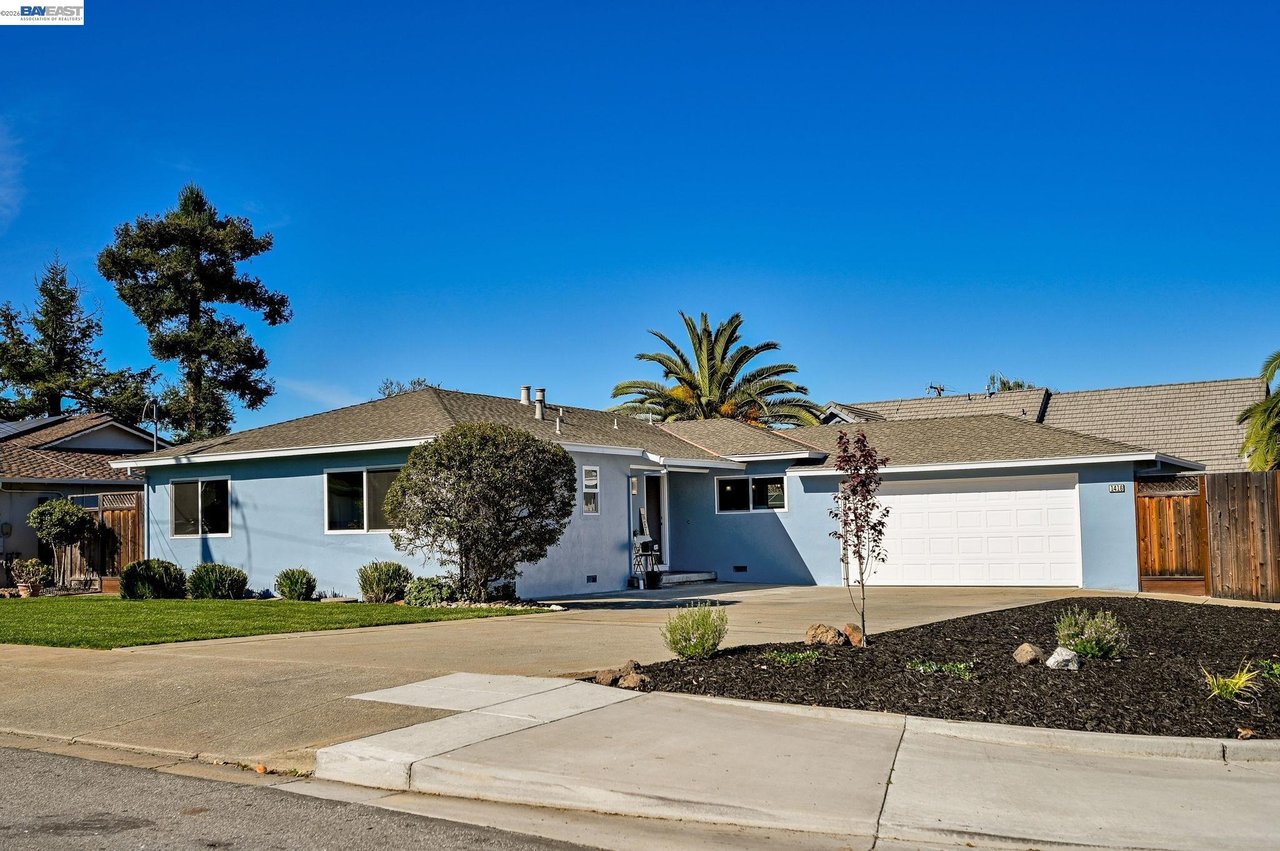
In practical terms, areas farther from the main transit and employment corridors are more likely to include older detached homes, larger lots, and a more car-dependent routine. If your office attendance is limited, that tradeoff may make sense because you may gain more indoor space, parking, or layout flexibility for work-from-home needs.
What Commute Reality Looks Like
Your commute is still one of the biggest quality-of-life factors in the Bay Area. In 2024, Bay Area one-way commute data showed an average of 30 minutes overall, 29 minutes for drive-alone commuters, and 50 minutes for transit commuters. The same source notes that 13% of Bay Area commuters spent at least an hour getting to work.
For a tech professional, that gap matters. If you only go into the office two or three days a week, you may be willing to trade a longer trip for more space at home. But if you are on-site most days, even a small reduction in commute time can improve your week in a meaningful way.
The city also points residents toward a range of commute options in San Jose, including VTA, BART, Caltrain, park-and-ride lots, bike share, e-scooters, carpool and vanpool programs, and Guaranteed Ride Home support. That variety helps, but station access and route simplicity still matter most when your schedule is demanding.
Housing Types You Are Most Likely to Find
San Jose offers a wider mix of housing than many buyers expect, but the mix changes based on where you look. In the city overall, detached homes still make up the largest share of housing stock. At the same time, the city says new development is most likely in Downtown, North San Jose, the Diridon area, and approved Urban Village Plan areas, which suggests newer inventory near job centers will often lean condo, townhome, or apartment.
That broader trend shows up regionally too. According to Bay Area housing production data, 61% of housing production in 2024 was multifamily, and in Santa Clara County and several nearby counties, 67% of units built were multifamily. If you want newer construction near major employment areas, you are more likely to be looking at attached housing than a detached single-family home.
What San Jose Costs Compared With Nearby Areas
Budget is often the hardest part of the decision. Zillow estimated the average home value in San Jose at about $1.40 million in early 2026, while Santa Clara was about $1.67 million, Berkeley about $1.35 million, and Oakland about $684,000. Zillow also estimated average rent in San Jose at about $3,219 per month during the same period.
At the regional level, MTC reported that the Bay Area’s typical home value was about $1.17 million in 2025, and Santa Clara County had the highest typical home value of any Bay Area county at $1.57 million. San Jose-Sunnyvale-Santa Clara also had the highest rents in the Bay Area. In short, San Jose is expensive, but for many tech professionals, the tradeoff is better access to South Bay job centers and a more workable weekly routine.
How to Choose the Right Area
The best San Jose area for you depends on how often you need to be in person, what kind of home you want, and how you want your week to feel. A buyer who commutes daily usually needs a different setup than a buyer who works remotely most of the time.
A simple way to narrow your options is to rank these priorities:
- Office proximity to your main campus or meeting location
- Transit access if you want an alternative to driving
- Parking and storage if you expect to keep a car-centered routine
- Dedicated office space for hybrid or remote work
- Housing type such as condo, townhome, or detached home
- Lifestyle fit based on whether you prefer a more urban or more residential setting
In many cases, the smartest move is not chasing the most updated finishes. It is choosing a home that supports your real schedule. In a market like San Jose, commute simplicity and usable space often deliver more long-term value than cosmetic upgrades alone.
San Jose vs East Bay for Tech Commuters
Many buyers compare San Jose with places like Oakland, Hayward, or Berkeley, especially when price is part of the conversation. That comparison is reasonable, but commute flow matters. Regional commute pattern data show that Silicon Valley job centers continue to pull workers from the East Bay.
With Berryessa now connected to the broader BART network, cross-regional commuting is more practical than it used to be. Still, if your office is in the South Bay, living in Santa Clara County is usually the lower-friction option. For many busy professionals, reducing that weekly commute burden is worth serious consideration.
If you are weighing neighborhoods, commute patterns, and housing options in San Jose, a local strategy matters. The team at Neena Pattar helps Bay Area buyers make data-driven decisions with a clear plan, strong negotiation, and practical guidance tailored to how you actually live and work.
FAQs
What is the best San Jose area for tech professionals who want transit access?
- Downtown and Diridon are generally the strongest transit-first options, while Berryessa and North San Jose are strong choices if you want rail access closer to major tech employment areas.
Is San Jose a good city for hybrid tech workers?
- Yes. Hybrid work remains highly relevant in the region, and many buyers prioritize home office space, flexible layouts, and manageable office-day commutes.
Is San Jose more car-dependent than people expect?
- Yes. City data show most trips starting or ending in San Jose are still drive-alone trips, even though transit and shared commute options are available.
Are detached homes common in San Jose?
- Yes. Detached single-family homes remain the largest share of the city’s housing stock, though newer development near job centers is often more condo, townhome, and apartment oriented.
Should you live in San Jose or the East Bay if you work in Silicon Valley?
- If your office is in the South Bay, living in Santa Clara County is often the easier choice for commute simplicity, though East Bay options may still appeal depending on your budget and schedule.